
Stay Beside the Makers: Nights of Wood, Lace, and Salted Timber
In this journey we explore Staying with Artisans: Woodcarvers, Lace Makers, and Boatbuilders of the Region, inviting you to sleep beside humming workshops, share breakfasts scented with shavings and linen starch, and listen as knowledge passes across benches, bobbins, and slipways in conversations that reshape how travel feels and what craft truly means.

Finding a bench‑side bed
Many workshops keep a spare loft or tucked‑away room, modest but meaningful, close enough to hear the rasp whisper through wood or bobbins kiss by candle. Clean sheets, earthen mugs, and sturdy hooks feel luxurious when each item was made or repaired by nearby hands. Ask what you can contribute, then do it without ceremony.
Customs of the shared workshop
Leave shoes where the host points, hands off tools unless invited, and always sweep the floor after watching. Praise the process, not just the finished object. Accept that breaks are part of work, and conversations may pause mid‑sentence when a knot resists persuading. Offer patient presence, not performance, and the space opens generously in return.
Respecting rhythms of skilled hands
There are hours for chopping and hours for tea; both matter. The best gift is steady attention that neither interrupts nor romanticizes. When the day asks silence, join it. When it invites questions, ask one at a time. By night, stories loosen, and gratitude grows from small, consistent acts of thoughtfulness.
Woodcarvers: Grain, Light, and Stories in Cedar and Oak
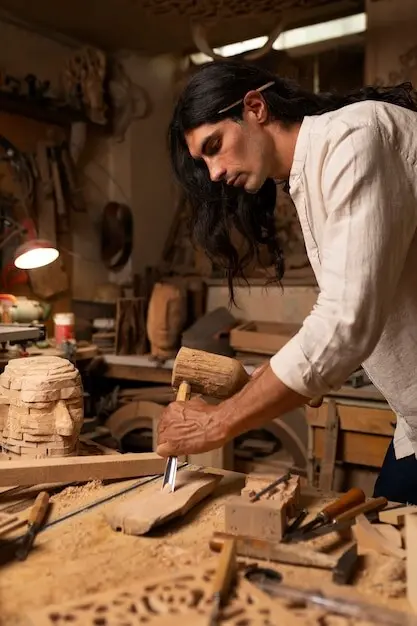
The shavehorse creaks, a soft metronome marking bevels and breath. Carvers turn boards toward windows, courting light that reveals figure, pin knots, and secret waves. Every curl that falls is a decision made visible. Safety is rhythm, not fear; respect the blade, the fibers, and the way old injuries still teach careful movement.
Morning beside the shaving horse
First lessons begin with stance and patience, not cutting. Hands find balance while a drawknife hums forward, then rests. Coffee sits cooling because attention cannot. You learn to measure by touch, to stop before the wood says stop, and to celebrate shavings shaped like question marks becoming answers on the floor.
Reading grain by touch and light
A board is a landscape of wind, rain, and seasons; tilt it and rivers appear. Your fingers trace cathedrals in quarter‑sawn oak, listen for whispers in cedar. Work with the grain and your edge glides; work against and splinters argue. Only practice teaches which is which, and conversation helps you hear sooner.
From chip to chapel ornament, a village tale
An elder recalls carving saints for a storm‑damaged chapel, saving only hands and faces from the wreck. Each chip felt like prayer and repair together. At supper, they pass the salt in a bowl once rough as bark. You grasp that restoration travels both ways, shaping the maker even as the maker shapes wood.
Lace Makers: Stillness, Bobbins, and Windows Filled With Snow
The room is quiet like snowfall, then softly percussive: pairs of bobbins tapping in patterns older than maps. Threads cross, twist, cross again, guided by pins and memory. Patience expands into something tender. Errors are not disasters; they are opportunities for tea, laughter, and learning how hands remember what minds briefly forget.
Boatbuilders: Keels Laid Like Promises
Inside the shed, steam hisses, chalk lines glow, and the future of a small harbor leans against trestles. Boats are arguments with water made in good faith. Each plank meets its neighbor with trust and tar. Measuring is listening, bending is persuasion, and launch days mix triumph with the humility rivers demand.
Steam‑bending oak ribs without breaking spirits
The box exhales, and time shrinks. You move quickly, gently, together, guiding hot oak around the mold as if convincing a friend to dance. Voices drop to murmurs until clamps bite and everyone breathes again. Later, tea tastes victorious, and bruised knuckles feel like signatures on a page the tide will read.
Caulking lines and conversations that keep water out
Oakum, mallet, and patience seal more than seams. Stories get tapped in with every blow: storms survived, skippers forgiven, shortcuts regretted. Tar smells like history that refuses to leave quietly. You learn how quiet attention finds gaps your eyes miss, and how trust accumulates in long, careful rows of nearly invisible work.
Launching day: blessings, oars, and nervous laughter
Neighbors gather with pies, flags, and superstitions. Someone quotes a great‑grandparent; someone else hides a coin under the mast step. When the hull slides toward the water, chatter thins to breath. Then splash, cheers, and scandalous relief. The boat takes her first idea of home, and everyone’s shoulders drop an inch.
Eating, Sleeping, Sharing: Domestic Life With Makers
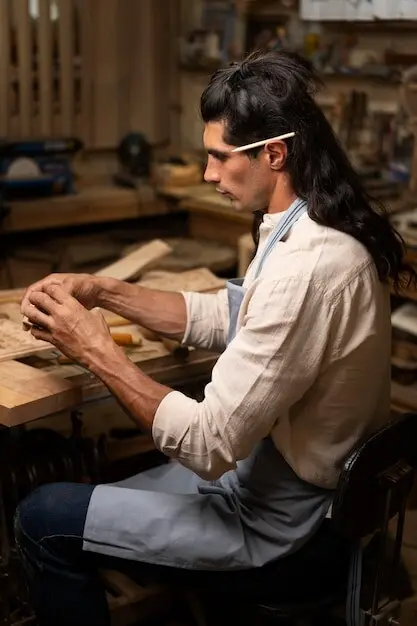
Tables carry more than plates; they hold decisions about pricing, apprentices, and whether to accept a museum’s deadline. Beds are simple, dreams complicated. You learn chores without being asked, because hospitality is collaboration. Laughter arrives easily after long days, and quiet gratitude lives in the way doors stay unlatched until the kettle sings.
Supporting Craft Without Romanticizing
Admiration is welcome; pedestal building is not. Real support begins with fair payment, continues with patient listening, and grows through responsible storytelling. You witness fatigue as well as beauty, deadlines as well as heritage. Honor both. Then advocate for apprenticeships, school programs, and waterfront protections that let tomorrow’s hands find tools waiting.

All Rights Reserved.